Xanax (Alprazolam): Uses, Dosage, Side Effects, Risks, and Legal Ways to Obtain It
Introduction
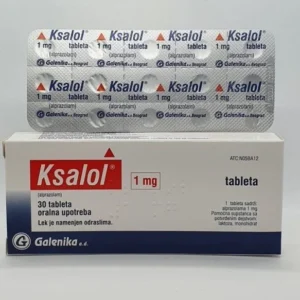
Xanax, the brand name for alprazolam, is one of the most commonly prescribed medications for anxiety-related disorders. It belongs to a class of drugs known as benzodiazepines, which act on the central nervous system to produce a calming effect. Healthcare providers frequently prescribe Xanax due to its rapid onset and clinical effectiveness. Regulatory agencies classify the drug as controlled, which requires careful use under strict medical oversight.
In recent years, increased online interest in Xanax has raised concerns about safety, legality, misuse, and counterfeit medications. This article provides clear, educational information about Xanax, including its uses, effects, risks, side effects, and legal ways patients can obtain it through medical providers.
This guide is intended for informational purposes only and does not replace professional medical advice.
What Is Xanax (Alprazolam)?
Xanax is the brand name for alprazolam, a short-acting benzodiazepine. It was first approved by the U.S. Food and Drug Administration (FDA) in 1981 and has since become a standard treatment for certain anxiety and panic disorders.
Drug Classification
-
Generic name: Alprazolam
-
Brand name: Xanax
-
Drug class: Benzodiazepine
-
Controlled substance: Schedule IV (U.S.)
Benzodiazepines work by enhancing the effects of gamma-aminobutyric acid (GABA), a neurotransmitter that slows down brain activity. This action helps reduce feelings of anxiety, panic, and excessive nervousness.
Medical Uses of Xanax
Xanax is prescribed for specific mental health conditions when deemed appropriate by a licensed healthcare provider.
1. Generalized Anxiety Disorder (GAD)
Xanax may be prescribed for short-term relief of symptoms associated with generalized anxiety disorder, including:
-
Excessive worry
-
Restlessness
-
Muscle tension
-
Difficulty concentrating
-
Sleep disturbances
2. Panic Disorder
One of the primary FDA-approved uses of Xanax is the treatment of panic disorder, with or without agoraphobia. It can help reduce:
-
Sudden panic attacks
-
Chest pain
-
Shortness of breath
-
Intense fear episodes
3. Off-Label Uses
In some cases, healthcare providers may prescribe alprazolam off-label for:
-
Short-term insomnia related to anxiety
-
Acute stress reactions
-
Anxiety associated with depression
Off-label use is determined solely by a medical professional based on patient needs.
How Xanax Works in the Body
Xanax affects the brain’s neurotransmitter system by increasing GABA activity. GABA is responsible for reducing neuronal excitability, which results in:
-
Sedation
-
Muscle relaxation
-
Reduced anxiety
-
Calming effects
Because Xanax works quickly—often within 30 to 60 minutes—it is effective for acute anxiety and panic symptoms. However, this rapid onset also contributes to its potential for dependence and misuse, which is why it is carefully regulated.
Xanax Dosage and Administration
Typical Dosage Guidelines
Dosage varies based on:
-
Age
-
Medical condition
-
Severity of symptoms
-
Patient response
-
Other medications being taken
Common prescribed dosages may range from:
-
0.25 mg to 0.5 mg, taken 1–3 times daily (initial dose)
-
Gradual increases if necessary, under medical supervision
Extended-release (XR) versions are available for long-term management in certain patients.
⚠️ Important: Dosage should never be adjusted without consulting a healthcare provider.
Side Effects of Xanax
Like all medications, Xanax can cause side effects. These range from mild to severe depending on dosage, duration of use, and individual sensitivity.
Common Side Effects
-
Drowsiness
-
Dizziness
-
Fatigue
-
Memory problems
-
Dry mouth
-
Slurred speech
Less Common but Serious Side Effects
-
Confusion
-
Mood changes
-
Depression
-
Hallucinations
-
Impaired coordination
-
Difficulty breathing (especially when combined with opioids or alcohol)
If severe side effects occur, medical attention should be sought immediately.
Risks and Warnings Associated with Xanax
Dependence and Tolerance
One of the most significant risks of Xanax use is physical and psychological dependence. Over time, patients may require higher doses to achieve the same effect, a phenomenon known as tolerance.
Withdrawal Symptoms
Stopping Xanax abruptly can cause withdrawal symptoms, including:
-
Anxiety rebound
-
Insomnia
-
Irritability
-
Tremors
-
Seizures (in severe cases)
For this reason, discontinuation must be gradual and supervised by a healthcare provider.
Drug Interactions
Xanax may interact with:
-
Alcohol
-
Opioids
-
Antidepressants
-
Antifungal medications
-
Certain antibiotics
These interactions can increase the risk of respiratory depression and overdose.
Who Should Not Take Xanax?
Xanax may not be suitable for everyone. Patients should inform their healthcare provider if they have:
-
A history of substance use disorder
-
Severe liver or kidney disease
-
Respiratory disorders
-
Glaucoma
-
Pregnancy or breastfeeding status
Special caution is required for elderly patients due to increased sensitivity and fall risk.
Legal Status of Xanax
Controlled Substance Classification
Xanax is classified as a Schedule IV controlled substance in the United States and similarly regulated in many other countries. This means:
-
A valid prescription is required
-
Refills are limited
-
Distribution is monitored by regulatory authorities
Possessing or distributing Xanax without a prescription is illegal and may result in legal penalties.
Legal and Safe Ways to Obtain Xanax
1. In-Person Medical Consultation
Traditionally, Xanax is prescribed after an in-person evaluation by:
-
Primary care physicians
-
Psychiatrists
-
Licensed mental health professionals
The provider assesses symptoms, medical history, and treatment suitability.
2. Telehealth and Online Doctor Consultations
Telemedicine has made it possible for patients to consult licensed healthcare providers online. When clinically appropriate, a provider may issue a prescription that patients can fill at a licensed pharmacy.
Telehealth services must comply with:
-
State and federal regulations
-
Identity verification
-
Prescription monitoring programs
3. Licensed Pharmacies
Once prescribed, Xanax should only be obtained from:
-
Licensed local pharmacies
-
Verified online pharmacies that require a prescription
Legitimate pharmacies will always:
-
Require a valid prescription
-
Display licensing information
-
Provide access to a pharmacist for questions
Dangers of Illegal or Unverified Sources
Obtaining Xanax from unregulated sources poses serious risks, including:
-
Counterfeit pills
-
Incorrect dosages
-
Harmful contaminants
-
Lack of medical oversight
-
Legal consequences
Investigators have found fentanyl and other dangerous substances in counterfeit benzodiazepines, significantly increasing the risk of overdose.
Alternatives to Xanax
For some patients, non-benzodiazepine options may be safer or more appropriate.
Prescription Alternatives
-
SSRIs (e.g., sertraline, escitalopram)
-
SNRIs (e.g., venlafaxine)
-
Buspirone
Non-Medication Approaches
-
Cognitive Behavioral Therapy (CBT)
-
Mindfulness and meditation
-
Lifestyle changes (sleep, exercise, diet)
-
Stress management techniques
A healthcare provider can help determine the best treatment plan.
Frequently Asked Questions (FAQ)
Is Xanax safe when used as prescribed?
Yes, when taken exactly as prescribed and monitored by a healthcare professional, Xanax can be safe and effective.
Can Xanax be used long-term?
Long-term use is generally discouraged unless closely supervised due to dependence risks.
Is generic alprazolam the same as Xanax?
Yes. Generic alprazolam contains the same active ingredient and is considered equally effective.
Can Xanax cure anxiety?
Xanax does not cure anxiety disorders but helps manage symptoms as part of a broader treatment plan.
Conclusion
Xanax (alprazolam) is a powerful and effective medication for the treatment of anxiety and panic disorders when used responsibly. Its fast-acting nature makes it beneficial for acute symptoms, but it also carries risks that require careful medical oversight.
Understanding how Xanax works, its potential side effects, legal status, and safe methods of obtaining it empowers patients to make informed decisions about their mental health care. Always consult a licensed healthcare professional before starting, adjusting, or discontinuing Xanax or any prescription medication.