
Tramadol: A Clear Human-Written Guide to Its Uses, Risks, and Real-World Concerns
Introduction
Pain can change a person’s whole life. It can steal sleep, limit movement, affect work, and make even simple daily tasks feel difficult. Because of this, doctors often use pain-relief medicines when rest, physical therapy, or common painkillers do not give enough relief. Tramadol is one of those medicines.
Tramadol helps many people manage moderate to severe pain. Doctors may prescribe it after surgery, for injury pain, dental pain, nerve pain, or long-term pain conditions. Many people once viewed tramadol as a safer opioid because it seemed weaker than medicines like morphine, oxycodone, or fentanyl. That belief helped tramadol become widely used around the world.
But tramadol also brings serious risks. It can cause dependence, withdrawal, addiction, seizures, dangerous drug interactions, and overdose. The phrase “tramadol online” has also become common in internet searches, which raises safety concerns because many online sources may sell fake, unsafe, or illegal products. Anyone reading about tramadol online should focus on medical facts and speak with a licensed healthcare professional instead of trusting random sellers or forums.
This guide explains what tramadol is, how it works, why doctors prescribe it, what risks it carries, and why people should treat it with caution.
What Is Tramadol?
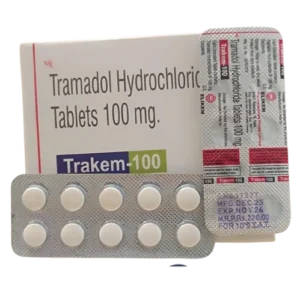
Tramadol is a prescription opioid pain medicine. It does not work like basic pain relievers such as ibuprofen or acetaminophen. Instead, tramadol acts on the brain and nervous system. It changes how the body sends and understands pain signals.
Pharmaceutical scientists developed tramadol in Germany in the 1970s. Over time, doctors across many countries began using it for pain treatment. It appears under different brand names, including Ultram and ConZip, depending on the country and manufacturer.
Doctors may prescribe tramadol for several pain-related problems, such as back pain, arthritis pain, injury pain, dental pain, post-surgery pain, nerve pain, or chronic pain. Some versions work quickly. Others release slowly over many hours.
Tramadol became popular because many doctors considered it a middle option between regular painkillers and stronger opioids. That idea made sense in some cases, but later experience showed that tramadol can still harm people when they use it incorrectly.
How Tramadol Works
Tramadol reduces pain in two main ways.
First, it attaches to opioid receptors in the brain. These receptors help control pain perception. When tramadol activates them, the brain receives pain signals differently. The person may feel less discomfort, more calm, or more relaxed.
Second, tramadol affects two brain chemicals: serotonin and norepinephrine. These chemicals influence mood, attention, and pain response. Tramadol increases their activity, which can change both physical pain and emotional reaction to pain.
This double action makes tramadol unusual. It does not act exactly like many traditional opioids. It also does not act exactly like an antidepressant. Instead, it touches both systems at once. That feature can help some patients, but it can also create extra risks.
The liver breaks tramadol down after a person takes it. Some people process it faster than others because of genetic differences. A fast processor may feel stronger effects. A slow processor may feel less pain relief. This difference explains why tramadol does not affect everyone the same way.
Why Doctors Prescribe Tramadol
Doctors prescribe tramadol when patients need stronger pain relief than common non-opioid medicines can provide. Pain after surgery can feel intense. A broken bone, severe dental procedure, or major injury can also require stronger treatment.
Tramadol may help patients move, rest, breathe deeply, and recover more comfortably. Good pain control can support healing because pain can stop people from sleeping, walking, or doing rehabilitation exercises.
Some patients with chronic pain also receive tramadol. Conditions like arthritis, nerve damage, spinal pain, or long-term muscle pain can last for months or years. When pain becomes constant, it affects mood, energy, and quality of life. In selected cases, doctors may use tramadol as part of a broader pain plan.
However, doctors now use more caution than before. Many healthcare providers prefer short-term use, lower doses, and regular checkups. They also look for non-opioid options whenever possible.
Common Side Effects
Tramadol can cause several side effects. Some people only feel mild symptoms, while others struggle with strong reactions.
Common side effects include nausea, dizziness, sleepiness, constipation, dry mouth, sweating, headache, and tiredness. These effects may appear soon after the first dose. Some people adjust after a few days, but others continue to feel uncomfortable.
Dizziness and sleepiness can create safety problems. A person who takes tramadol should avoid driving, using machines, or doing risky tasks until they know how the medicine affects them.
Constipation also affects many opioid users. Tramadol can slow digestion, so some patients need more fluids, fiber, movement, or doctor-approved treatment.
Serious Risks
Tramadol can cause serious harm, especially when people take too much, mix it with other substances, or use it without medical guidance.
One major danger involves breathing. Opioids can slow breathing, and high doses can make this problem life-threatening. Alcohol, sleeping pills, anxiety medicines, and other opioids can increase this risk.
Tramadol can also trigger seizures. This risk matters especially for people with epilepsy, brain injuries, substance misuse history, or certain medication combinations.
Another serious risk involves serotonin syndrome. Because tramadol affects serotonin, it can interact dangerously with antidepressants and other serotonin-related medicines. Serotonin syndrome can cause fever, confusion, agitation, muscle stiffness, shaking, heavy sweating, and a fast heartbeat. This condition needs urgent medical care.
Dependence, Withdrawal, and Addiction
Tramadol can lead to dependence when the body gets used to it. A person who takes it regularly may feel withdrawal symptoms after stopping suddenly.
Withdrawal symptoms may include anxiety, sweating, trouble sleeping, nausea, restlessness, muscle aches, irritability, chills, and mood swings. Some people also report strange sensory feelings because tramadol affects brain chemicals beyond opioid receptors.
Addiction means more than physical dependence. Addiction involves craving, loss of control, and continued use even after harm appears. A person may keep using tramadol despite problems at school, work, home, or with health.
Tolerance can also develop. When tolerance grows, the same amount gives less effect. Some people then take more, which raises the risk of overdose and dependence.
Tramadol Misuse
Some people misuse tramadol to feel relaxed, emotionally numb, more confident, or more energetic. Others use it to cope with stress, hard physical work, or emotional pain. This pattern can turn dangerous quickly.
In some regions, illegal tramadol markets have grown. Fake pills may contain the wrong dose, harmful ingredients, or other drugs. People who search for tramadol online may run into unsafe websites, counterfeit products, or illegal sellers. That creates serious health and legal risks.
No one should treat tramadol like a casual painkiller. It requires medical supervision because the risks can become severe.
Mental Health Concerns
Tramadol affects mood-related chemicals, so it can influence mental health. Some people feel temporary mood improvement. Others feel confusion, anxiety, emotional swings, or low mood, especially during withdrawal.
People with depression, anxiety, trauma, or high stress may face a higher risk of emotional dependence. They may start using tramadol not only for pain but also for escape. Over time, this can make emotional problems worse.
A safe pain plan should include mental health awareness. Doctors need to know if a patient has depression, anxiety, substance use history, or suicidal thoughts before prescribing medicines that affect the brain.
Overdose Warning
A tramadol overdose can become life-threatening. Warning signs include extreme sleepiness, slow breathing, confusion, blue lips or fingernails, seizures, weak pulse, fainting, or loss of consciousness.
Mixing tramadol with alcohol, benzodiazepines, sleeping pills, or other opioids greatly increases danger. Many overdoses happen because people underestimate the drug or take extra doses for stronger relief.
Anyone who suspects an overdose should seek emergency medical help immediately.
Safer Pain Management
Tramadol may help some patients, but it should not stand as the only answer to pain. Many people benefit from a broader plan.
Doctors may recommend physical therapy, exercise, stretching, heat or cold therapy, anti-inflammatory medicines, sleep improvement, stress reduction, massage, or counseling. Chronic pain often needs a full-body and mind approach.
Patients should also ask questions. They should understand why the doctor prescribed tramadol, how long they should take it, what side effects to watch for, and how to stop safely.
Responsible Use
Responsible use starts with clear medical guidance. A patient should take tramadol only as prescribed. They should not raise the dose, mix it with alcohol, share it with anyone, or use leftover pills later without asking a doctor.
Safe storage also matters. People should keep tramadol away from children, teenagers, guests, and anyone who might misuse it.
Unused pills should not stay in a drawer for months. Many communities offer medication take-back programs or safe disposal instructions.
Public Health View
Tramadol shows how complicated pain treatment can become. People in real pain deserve help. At the same time, powerful medicines can cause damage when society treats them too casually.
The opioid crisis taught doctors, patients, and governments an important lesson: pain relief must come with education, monitoring, and responsibility. Good healthcare does not ignore pain, but it also does not ignore addiction risk.
Public health systems need better access to safe pain treatment, mental health care, addiction support, and honest patient education.
Conclusion
Tramadol can help people who suffer from real pain, but it can also create serious problems. It acts on the brain, changes pain perception, affects mood chemicals, and can lead to dependence or addiction.
People should treat tramadol with respect and caution. Searches like “ order tramadol online ” may lead to risky information or unsafe sources, so patients should rely on licensed medical professionals instead of random internet advice.
The safest approach combines medical supervision, honest communication, careful dosing, and a broader pain-management plan. Tramadol has a place in medicine, but only when people use it wisely and understand its risks.