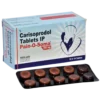

Soma (Carisoprodol): Complete Guide to Uses, Effects, Risks, and Safe Practices
Muscle pain can stop a person in their tracks. A sudden back strain, shoulder spasm, or neck injury can make everyday tasks feel impossible. Doctors use multiple tools to help patients recover, including physical therapy, diet, exercise, and medications. One of the most widely prescribed muscle relaxants is Soma, also known as carisoprodol.
Soma relaxes tense muscles, reduces spasms, and improves mobility. Patients often recover faster and feel less discomfort while taking it. Doctors usually prescribe it for short-term use, often a few weeks, alongside rehabilitation strategies. Millions of patients have benefited from Soma, but misuse and illegal distribution create serious risks.
It is crucial for patients to understand that don’t buy Soma online, it’s illegal. Buying Soma from unauthorized sources can expose a person to counterfeit pills, dangerous contaminants, or incorrect doses, which can create severe health consequences. Always follow a doctor’s guidance and use legitimate pharmacies.
What Is Soma (Carisoprodol)?
Soma is a prescription muscle relaxant that acts on the central nervous system. Doctors prescribe it to relieve acute musculoskeletal pain and reduce muscle tension. It does not treat the underlying injury but interrupts pain signaling in the nervous system, helping patients move and perform daily activities more comfortably.
Doctors typically prescribe Soma for:
- Lower back pain
- Neck and shoulder strains
- Muscle spasms after injury
- Postural or repetitive strain injuries
- Acute flare-ups of chronic musculoskeletal conditions
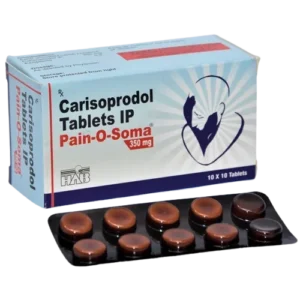
Patients take Soma orally in 250 mg or 350 mg tablets. Physicians limit prescriptions to short-term use to minimize tolerance and dependence.
Key point: Patients should never try to obtain Soma from online marketplaces. Don’t buy Soma online, it’s illegal, and using unregulated sources can put health at extreme risk.
How Soma Works
Soma works by affecting the central nervous system. It depresses interneuronal activity in the spinal cord, which interrupts communication between nerves. This action reduces muscle spasms and eases pain perception.
Patients often feel:
- Muscle relaxation
- Reduced tension
- Mild sedation
- Relief from discomfort
The liver metabolizes Soma into meprobamate, which enhances sedative and calming effects. Meprobamate can increase the risk of dependence, emphasizing why patients must use Soma only under medical supervision.
Why Doctors Prescribe Soma
Doctors prescribe Soma to manage acute muscle pain that limits daily function. For example:
- A patient with a severe back strain may struggle to walk, sit, or sleep. Soma can relieve muscle spasms and allow safe movement.
- Office workers with chronic neck tension may recover faster when combined with ergonomic adjustments and therapy.
- Patients recovering from sports injuries can use Soma to support rehabilitation exercises.
Short-term prescription reduces the risk of long-term dependence while helping patients regain mobility and comfort.
Immediate Benefits of Soma
Soma provides several immediate advantages:
- Muscle relaxation: Patients regain mobility as spasms decrease.
- Pain relief: Interrupting nerve signals reduces discomfort, improving function.
- Enhanced therapy participation: Patients can perform stretching and strengthening exercises more effectively.
- Calmness: Sedative effects help reduce stress and improve sleep during painful flare-ups.
These benefits make Soma an effective short-term tool when used alongside physical therapy and exercise.
Common Side Effects
Even when patients follow medical instructions, Soma can cause side effects:
- Drowsiness or fatigue
- Dizziness or lightheadedness
- Headache
- Nausea or vomiting
- Constipation
- Dry mouth
- Blurred vision
- Mild mood changes
Patients should avoid driving, operating machinery, or performing hazardous activities until they understand how Soma affects them.
Serious Risks
Soma can create serious health risks if misused or combined with other substances:
- Dependence: The body adapts to the sedative effects.
- Addiction: Patients may seek calming or euphoric effects beyond pain relief.
- Respiratory issues: Combining Soma with alcohol or other sedatives can slow breathing dangerously.
- Allergic reactions: Rare cases include rash, swelling, or severe immune responses.
Physicians emphasize short-term use and careful monitoring to mitigate these risks.
How Dependence Develops
Dependence can develop even under medical supervision if a patient extends use beyond the recommended period. The body adjusts to the presence of carisoprodol and meprobamate. Stopping suddenly can cause withdrawal symptoms:
- Anxiety
- Sweating
- Muscle aches
- Chills
- Restlessness
- Insomnia
- Irritability
- Nausea
Dependence often occurs silently. Patients may continue taking Soma to avoid withdrawal discomfort rather than to relieve pain. Doctors manage this with careful dosage control and tapering schedules.
Addiction and Misuse
Addiction goes beyond dependence. It involves compulsive use despite negative consequences. Patients may misuse Soma to achieve sedative effects or emotional calm. Combining Soma with alcohol, opioids, or other sedatives increases the risk of overdose and serious complications.
Patients should always obtain Soma legally through licensed pharmacies. Don’t buy Soma online, it’s illegal, and taking pills from unregulated sources can lead to life-threatening outcomes.
Safe Use Guidelines
Patients can maximize safety by following these steps:
- Take only the prescribed dose at the recommended times.
- Avoid alcohol, caffeine, and other sedatives while taking Soma.
- Limit treatment to the duration prescribed by the physician.
- Store medication in a secure location to prevent accidental use or theft.
- Monitor heart rate, blood pressure, and overall well-being.
- Report side effects, cravings, or unusual experiences to a healthcare provider promptly.
Safe use reduces the risk of dependence, addiction, or overdose.
Integrating Soma with Lifestyle Changes
Soma works best when paired with lifestyle modifications:
- Physical therapy: Stretching, strengthening, and mobility exercises improve recovery.
- Hydration: Proper fluid intake supports muscle health.
- Quality sleep: Sedative effects aid restorative rest.
- Ergonomics: Proper posture and workstation adjustments prevent flare-ups.
- Tracking progress: Journals or apps encourage adherence and accountability.
Patients who combine medication with behavioral changes achieve more sustainable outcomes.
Drug Interactions
Soma can interact with other medications dangerously:
- Opioid painkillers
- Alcohol
- Benzodiazepines
- Sleep aids
- Some antidepressants
Interactions increase sedation, slow breathing, and elevate overdose risk. Patients must inform their doctor about all medications and supplements before starting Soma.
Alternatives to Soma
Patients may benefit from non-opioid options:
- NSAIDs like ibuprofen or naproxen
- Physical therapy and structured exercise
- Massage or myofascial release
- Heat or cold therapy
- Acupuncture
- Meditation, yoga, or stress reduction techniques
Doctors often combine alternatives with short-term Soma for better long-term outcomes.
Recognizing Overdose
Soma overdose is rare but serious. Symptoms include:
- Extreme drowsiness or inability to wake
- Slow or irregular breathing
- Confusion
- Weak pulse
- Seizures
Emergency care can prevent permanent injury or death.
Mental Health Considerations
Soma affects brain chemistry, producing mild sedation and emotional calm. Patients with anxiety, insomnia, or cardiovascular conditions need careful monitoring. Awareness of psychological effects helps doctors manage risk while improving adherence to therapy.
Public Health Considerations
Soma misuse can affect public health. Diversion and unregulated use contribute to addiction and overdose cases. Controlled prescribing, patient education, and secure storage help reduce misuse. Remember: don’t buy Soma online, it’s illegal, and using unverified sources can expose patients to counterfeit pills and life-threatening risks.
Success Stories
- A 42-year-old recovering from a back injury regained mobility and returned to work after combining Soma with physical therapy.
- A 35-year-old with shoulder spasm improved sleep and daily function using a short-term, supervised course.
- A patient with repetitive strain injuries learned healthier movement patterns while using Soma under a doctor’s guidance.
These examples show Soma’s effectiveness when used responsibly.
Long-Term Considerations
Doctors rarely prescribe Soma beyond two to three weeks. Prolonged use increases tolerance, dependence, and side effects. Long-term management should focus on lifestyle habits, therapy, and ergonomics rather than ongoing medication.
Conclusion
Soma provides effective short-term relief for acute musculoskeletal pain. It relaxes muscles, reduces spasms, and allows patients to participate in therapy and daily activities. Patients maximize benefits when they combine the drug with exercise, diet, and behavioral strategies.
At the same time, Soma carries significant risks, including dependence, addiction, interactions, and overdose. Patients must never obtain Soma from unlicensed sources. Don’t buy Soma online, it’s illegal, and doing so can result in counterfeit pills, severe side effects, or legal consequences.
Safe use requires:
- Following prescribed doses
- Avoiding alcohol or other sedatives
- Integrating lifestyle changes
- Maintaining medical supervision
When patients respect these principles, Soma can provide meaningful relief without compromising safety.