Free Online Consultation for Klonopin Prescriptions
For those considering whether Klonopin is the right choice for managing anxiety, panic attacks, or seizures, a free telehealth consultation is available. During the online consultation, personal medical history, symptoms, and past treatments will be discussed with a licensed doctor. To streamline the process, completing and downloading the patient intake forms beforehand will help ensure a smooth session.
What Is Klonopin (Clonazepam)?
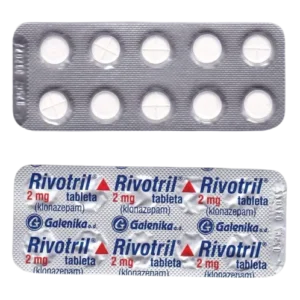
Klonopin, also known as clonazepam, is a benzodiazepine that has been FDA-approved for panic disorder, anxiety, and seizure management. The drug works by enhancing the calming neurotransmitter GABA in the brain, providing both anxiety relief and seizure control.
How Does Klonopin Work?
GABA Receptors and the Brain
Klonopin binds to GABA-A receptors, which amplifies the effect of GABA. This calming effect reduces the excitability of neurons, stabilizing mood and reducing the frequency of panic attacks and seizures.
Onset and Duration
After taking Klonopin, effects typically begin within 30–60 minutes, with peak plasma levels appearing around 1–2 hours later. The medication’s half-life is between 18 and 50 hours, allowing it to provide sustained relief for up to 24 hours, making it ideal for managing chronic symptoms.
Approved Medical Uses for Klonopin
Panic Disorder
Klonopin is commonly used to treat panic disorder, including cases with or without agoraphobia. It can reduce both the severity and frequency of panic attacks when taken regularly.
Seizure Disorders
Clonazepam is often prescribed as adjunctive therapy for managing seizures, especially in conditions like Lennox-Gastaut syndrome and other forms of epilepsy. It helps control seizures when other anticonvulsant medications are ineffective.
Off-Label Uses of Klonopin
-
Restless Leg Syndrome (RLS): For those who struggle with RLS, Klonopin may help reduce leg discomfort and improve sleep quality, especially when other treatments fail.
-
Akathisia: Klonopin is sometimes used to manage the restlessness caused by antipsychotic medications.
-
Pediatric Seizures: Rectal clonazepam is occasionally used in emergencies to stop prolonged febrile seizures in children.
-
Movement Disorders: Some doctors prescribe Klonopin off-label for certain movement disorders, such as chorea in Huntington’s disease, although more research is needed.
Side Effects and Health Considerations
Common Side Effects
-
Sedation and drowsiness
-
Dizziness and unsteady gait
-
Memory issues and slower thinking
-
Coordination problems or muscle weakness
Serious Risks (Less Frequent)
-
Respiratory depression, particularly when combined with other CNS depressants
-
Paradoxical agitation, more common in children or elderly individuals
-
Rare blood-related issues
Monitoring and Follow-Up
A follow-up appointment within 2–3 weeks is recommended to assess the medication’s effectiveness, check for side effects, and prevent misuse.
Tolerance, Dependence, and Withdrawal
Development of Tolerance
Long-term use of Klonopin beyond 4 weeks can lead to tolerance, meaning that higher doses may be needed over time to achieve the same effect.
Dependence and Withdrawal
Taking Klonopin for extended periods increases the risk of developing both physical and psychological dependence. Suddenly stopping the medication can cause withdrawal symptoms like anxiety, tremors, and seizures.
Withdrawal Management
Gradually reducing the dose by 0.25–0.5 mg every 1–2 weeks is the safest way to taper off Klonopin. In some cases, switching to a shorter-acting benzodiazepine can help ease withdrawal symptoms.
Withdrawal Symptoms
-
Increased anxiety and agitation
-
Insomnia and irritability
-
Tremors, sweating, and rapid heart rate
-
Seizures in severe cases
Drug Interactions and Safety Considerations
Contraindicated Combinations
-
Alcohol and Opioids: Combining these substances with Klonopin can lead to life-threatening respiratory depression.
-
CYP3A4 Inhibitors: Drugs such as ketoconazole may increase clonazepam levels, increasing the risk of sedation.
Caution with Other Medications
-
SSRIs (e.g., fluoxetine): These can increase clonazepam concentrations and cause excessive sedation.
-
Antihistamines: When taken together with Klonopin, these can impair alertness and coordination.
Pharmacists’ Role
Pharmacists will monitor medications with each refill, advise on avoiding alcohol, and provide guidance on managing potential daytime sedation.
Regulatory Status and Misuse Concerns
Klonopin is classified as a Schedule IV controlled substance due to its moderate risk of abuse. Prescriptions are limited to five refills in six months, requiring a new prescription afterward. Misuse of Klonopin is on the rise, especially among young adults, who often seek it out on social media as a quick solution for anxiety.
Is It Safe to Buy Klonopin Online?
While it may be tempting to buy Klonopin online, doing so from unverified sources can be dangerous. Counterfeit drugs laced with harmful substances like fentanyl have been found on the black market. To stay safe, it’s essential to buy Klonopin online only from licensed pharmacies that require a valid prescription.
The Cost of Klonopin and Insurance Coverage
Retail Price Estimates
-
Generic Clonazepam (0.5 mg tablets, 30-day supply): $15–$40 without insurance, depending on the pharmacy.
-
Brand-Name Klonopin: Typically costs between $120–$200 per month for those without insurance.
Insurance Considerations
-
Medicaid and Medicare: Most plans will cover generic clonazepam with low copayments.
-
Private Insurance: Generic clonazepam is usually available at a low cost, while brand-name versions may require prior authorization.
Manufacturer Discount Cards
Discount programs are available and can significantly reduce out-of-pocket costs for patients without insurance.
Important Safety Precautions and Contraindications
Absolute Contraindications
-
Known allergy to clonazepam or other benzodiazepines
-
Severe respiratory insufficiency
-
Acute narrow-angle glaucoma
Special Considerations
-
Pregnancy: Clonazepam is not recommended during pregnancy due to potential risks to the fetus.
-
Breastfeeding: Since clonazepam passes into breast milk, it should be avoided unless absolutely necessary.
-
Elderly Patients: Seniors may experience increased sensitivity to the drug, so lower doses should be considered.
Alternatives to Klonopin
Other Benzodiazepines
-
Alprazolam (Xanax): Acts quickly for panic attacks but has a shorter duration of action.
-
Lorazepam (Ativan): Offers a moderate half-life, useful for acute anxiety without much daytime sedation.
Non-Benzodiazepine Options
-
SSRIs: First-line treatments for chronic anxiety with minimal dependence risk.
-
SNRIs: Effective for both generalized anxiety and panic disorders.
-
Buspirone: Non-sedating and helpful for generalized anxiety, although it takes several weeks to show full effects.
Non-Pharmacological Treatments
-
Cognitive Behavioral Therapy (CBT): A proven method for long-term anxiety reduction.
-
Mindfulness and Meditation: Effective for reducing anxiety and improving emotional regulation.