
Oxycodone: The Pill That Helped Pain — and Changed Lives Forever
Most people never think about pain until it arrives and refuses to leave.
A broken leg. A failed surgery. Cancer. A damaged spine. A car accident. Sometimes pain enters quietly. Sometimes it crashes into a person’s life all at once. Either way, severe pain changes everything. Sleep disappears. Small movements feel impossible. Even simple conversations become exhausting.
That reality explains why doctors rely on powerful pain medications. Among the strongest prescription drugs used for pain relief is Oxycodone.
For some patients, oxycodone feels like relief after weeks or months of suffering. It helps them rest. It helps them breathe easier. It gives them enough comfort to recover from surgery or survive another difficult day.
But oxycodone also carries a darker reputation.
Over the past two decades, the drug has become deeply connected to addiction, overdose deaths, illegal trafficking, and one of the largest public health crises in modern history. Families have lost children. Parents have buried sons and daughters. Entire communities have struggled with opioid misuse.
That contrast makes oxycodone one of the most complicated medications in medicine. It can help people heal, but it can also destroy lives when misuse enters the picture.
Understanding oxycodone means understanding both truths at the same time.
What Makes Oxycodone So Powerful?
Oxycodone belongs to a group of drugs called opioids. Doctors use opioids for serious pain because they work directly on the brain and nervous system.
Unlike a basic painkiller such as ibuprofen, oxycodone does not simply reduce inflammation. It changes the way the brain experiences pain itself.
After a person takes oxycodone, the drug attaches to opioid receptors inside the brain. Those receptors control pain signals, emotional response, breathing, and pleasure. Once activated, they reduce physical discomfort and often create a feeling of calmness or warmth.
Some people describe the sensation as relief.
Others describe it as emotional silence.
That emotional effect matters because pain does not only hurt physically. Long-term pain drains energy, patience, sleep, relationships, and mental health. When oxycodone reduces both physical suffering and emotional tension, the brain starts remembering that feeling very quickly.
That is where danger can begin.
Why Doctors Prescribe It
Despite all the controversy surrounding opioids, doctors still prescribe oxycodone for legitimate medical reasons.
Severe pain needs treatment.
Someone recovering from major surgery may not even stand up without strong medication. Cancer patients often experience pain that weaker drugs cannot control. Serious injuries, burns, fractures, and nerve damage may also require opioid-level relief.
In these situations, oxycodone can genuinely improve quality of life.
A patient who finally sleeps after days of pain may recover faster. A person who can move again may avoid further complications. Effective pain treatment matters in healthcare.
The real challenge begins when short-term treatment slowly turns into long-term dependence.
The Brain Learns Fast
The human brain adapts quickly to opioids.
At first, a patient may take oxycodone exactly as prescribed. One pill every few hours. Pain relief appears. Everything seems controlled.
Then tolerance starts developing.
The same dose no longer feels as strong as before. Pain relief fades faster. Some people begin thinking, “Maybe I need a little more.”
This moment changes everything for many users.
Tolerance pushes the brain to chase the original feeling again. Over time, larger doses may seem necessary just to feel normal.
That process can happen gradually enough that many people never notice the shift until dependence already exists.
Addiction Does Not Always Start Recklessly
One of the biggest misunderstandings about opioid addiction involves the idea that addiction only happens to irresponsible people.
That belief is wrong.
Many oxycodone addictions begin with real prescriptions and real pain.
A teenager after surgery.
A construction worker after a back injury.
A mother recovering from a medical procedure.
A cancer patient dealing with unbearable pain.
Addiction rarely introduces itself loudly. It often arrives quietly through repeated exposure, emotional stress, and physical dependence.
The brain does not care whether the pills came from a pharmacy or a street dealer. Opioids still affect reward pathways the same way.
Why Withdrawal Feels So Brutal
After regular opioid use, the body adapts to the drug’s presence. Once the medication disappears, the nervous system struggles to rebalance itself.
That reaction creates withdrawal symptoms.
People withdrawing from oxycodone may experience:
- Sweating
- Anxiety
- Muscle pain
- Vomiting
- Chills
- Restlessness
- Severe insomnia
- Stomach cramps
- Emotional breakdowns
Some describe withdrawal as feeling trapped inside panic, exhaustion, and physical sickness at the same time.
Even people who want to stop using the drug may continue simply to avoid withdrawal symptoms.
That cycle traps many users emotionally and physically.
The Emotional Side Nobody Talks About
Painkillers do more than numb physical pain.
For some people, oxycodone also numbs emotional pain.
Stress feels quieter. Fear softens. Emotional pressure fades temporarily.
That emotional escape can become dangerously attractive for people dealing with depression, trauma, loneliness, or anxiety.
Eventually, some users stop taking oxycodone for physical pain at all. They take it because they no longer remember how to relax without it.
This emotional dependence often grows silently. Family members may notice personality changes before the user does.
The Rise of the Opioid Crisis
During the late 1990s and early 2000s, opioid prescriptions increased dramatically in some countries, especially the United States.
Pharmaceutical marketing played a major role.
Some drug companies promoted opioids aggressively and downplayed addiction risks. Doctors received messaging suggesting certain opioid medications remained relatively safe for long-term use.
As prescriptions increased, addiction rates climbed too.
Communities soon began seeing rising overdose deaths, emergency room visits, and illegal opioid sales.
The crisis expanded beyond prescription pills. Some users later moved toward heroin or fentanyl after prescription access became harder.
Today, public health experts consider the opioid epidemic one of the deadliest drug crises in modern history.
Counterfeit Pills Changed the Danger Completely
Modern illegal drug markets created another terrifying problem: fake oxycodone pills.
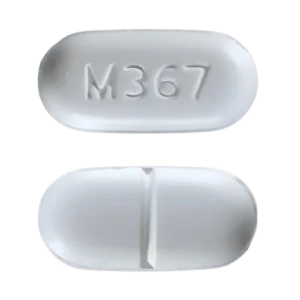
Some counterfeit tablets look almost identical to real prescription medication. However, many contain fentanyl instead of oxycodone.
Fentanyl is far stronger and far deadlier.
A person may believe they are taking one oxycodone pill when they are actually consuming a potentially fatal amount of fentanyl.
This has increased overdose deaths dramatically in recent years.
Social Media and Online Drug Culture
The internet changed how people talk about drugs.
Searches related to oxycodone, painkillers, or opioid effects appear constantly online. Some users share stories, dosage discussions, or personal experiences without understanding the risks involved.
Young people especially may underestimate prescription opioids because they look medically approved.
That perception creates dangerous curiosity.
The reality is simple: opioids do not become safe just because doctors prescribe them in certain situations.
Families Often Notice the Change First
Addiction rarely affects only one person.
Parents notice missing pills. Partners notice emotional distance. Friends notice mood swings or unusual behavior.
A person struggling with opioid dependence may become secretive, isolated, or financially unstable. Sleep patterns change. Motivation disappears. Relationships weaken.
Families often feel confused because the person they love may still look normal on the outside for a long time.
That hidden nature makes opioid addiction especially dangerous.
Overdose Happens Faster Than Many Expect
One of the deadliest effects of oxycodone involves breathing suppression.
At high doses, opioids slow breathing dramatically. If breathing becomes too slow, oxygen levels drop dangerously.
Signs of overdose may include:
- Slow breathing
- Blue lips
- Extreme drowsiness
- Unresponsiveness
- Weak pulse
- Loss of consciousness
Mixing opioids with alcohol or sedatives makes overdose risk far worse.
Many fatal overdoses happen accidentally. Someone takes an extra pill. Someone mixes substances casually. Someone underestimates their tolerance after stopping for a while.
Seconds matter during overdose situations.
Recovery Is Possible — But Hard
Opioid recovery takes enormous effort.
Some people require medical detox programs. Others need therapy, long-term counseling, or medication-assisted treatment.
Recovery also requires emotional rebuilding.
People often need to repair relationships, rebuild routines, and learn how to manage stress without relying on substances.
Relapse can happen, especially during emotional crises or major life stress.
Still, recovery absolutely remains possible. Millions of former opioid users now live healthy, stable lives after receiving support and treatment.
Pain Treatment Is Changing
Modern healthcare has started rethinking pain management.
Doctors now rely more heavily on:
- Physical therapy
- Anti-inflammatory treatments
- Exercise rehabilitation
- Mental health support
- Non-opioid medications
- Lifestyle-based pain management
Many experts now recognize that chronic pain involves both body and mind. Sleep, anxiety, depression, stress, trauma, and physical conditioning all influence pain levels.
That understanding has changed how many doctors approach treatment plans.
The Reality About Oxycodone
Oxycodone is not an evil drug.
It is also not harmless.
For some patients, it remains medically necessary and extremely helpful. Severe pain can destroy quality of life, and strong medications sometimes play an important role in recovery or comfort.
But oxycodone demands caution, honesty, and respect.
Its ability to reduce suffering comes with equally serious risks involving dependence, addiction, overdose, and emotional attachment.
The story of oxycodone ultimately reflects something larger about modern medicine itself: powerful tools can heal people, but they can also create harm when society misunderstands them, overuses them, or treats them carelessly.
Understanding that balance may be one of the most important lessons of the entire opioid era.